Day 1: ARRIVAL TO ADDIS ABABA AND CITY TOUR
Upon arrival in Addis Ababa, you will be met at the airport and transferred to your hotel. Founded in 1886 by Emperor Menelik II, Addis Ababa sits at an elevation of approximately 2,438 meters, making it the third highest capital city in the world. The city enjoys pleasant weather year-round, with an average temperature of 25°C. Your city tour begins with a visit to the National Museum, home to some of Ethiopia’s most significant historical and archaeological treasures, including the 3.5-million-year-old remains of “Lucy,” one of the earliest known hominids. Continue to the Ethnographic Museum, an excellent introduction to Ethiopia’s diverse cultures, followed by a visit to the Holy Trinity Cathedral, the nation’s most important church and the final resting place of Emperor Haile Selassie.
Day 2: ADDIS ABABA TO ARBA MINCH
After breakfast, drive to the renowned lakeside town of Arba Minch. Along the way, visit a traditional Gurage village and learn how their staple food, kocho, is prepared from the false banana plant. The journey continues through one of the most vibrant and scenic regions of Southern Ethiopia, home to the Wolayita people, who have transitioned from a nomadic lifestyle to skilled farming communities. As you approach Arba Minch, the road offers stunning panoramic views of Lake Abaya, framed by surrounding mountains. Known for its volcanic origins, the lake displays a unique pinkish hue, creating a breathtaking introduction to the beauty of the Rift Valley.
Day 3: VISIT THE CHENCHA VILLAGE AND BOAT TRIP ON LAKE CHAMO
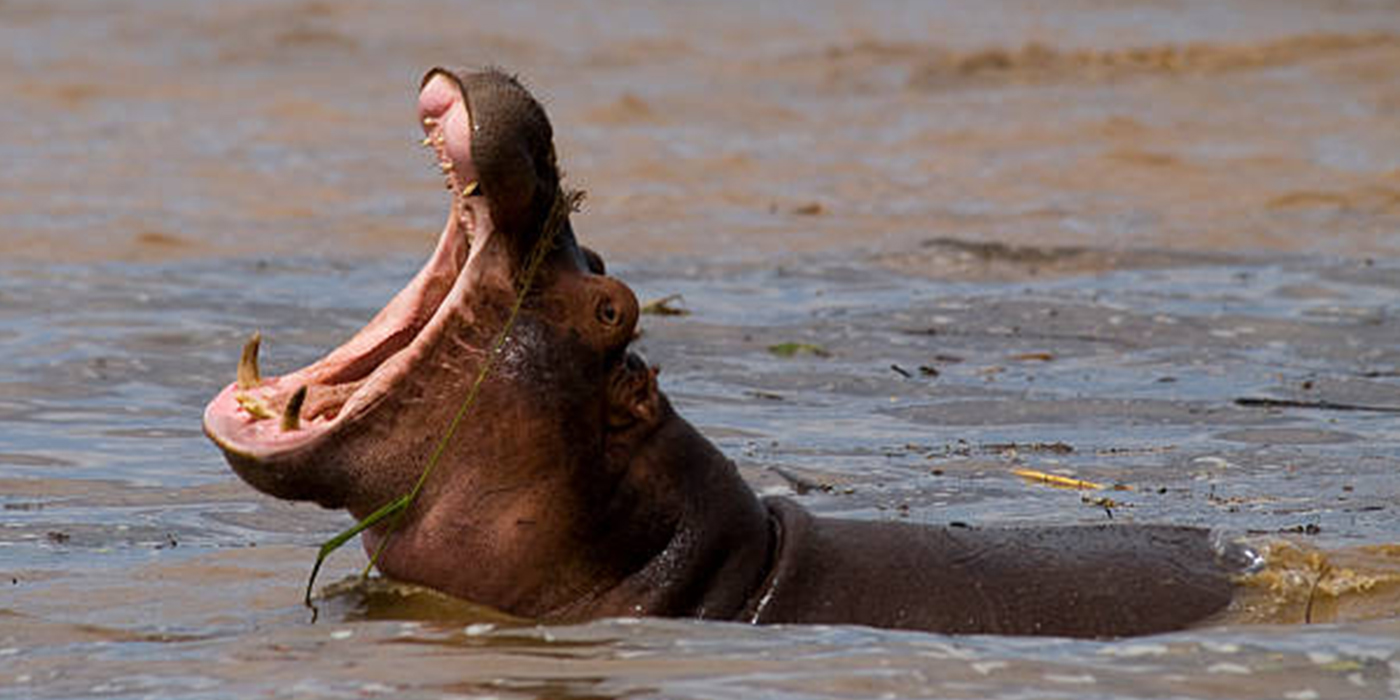
In the morning, drive 40 km northwest of Arba Minch into the Guge Mountains to visit the Dorze and Chencha villages. Once known as fierce warriors, the Dorze people now earn their livelihood through farming and exceptional weaving. They speak an Omotic language, and their name is widely associated with the finest handwoven cotton in Ethiopia. The Dorze are also renowned for their remarkable “elephant huts” tall, beehive-shaped houses constructed entirely from organic materials. Each home is surrounded by a small garden filled with spices, cabbage, and tobacco, reflecting their resourceful lifestyle. Continue to Chencha, located just 8 km from Dorze, a community celebrated for producing some of Ethiopia’s highest-quality woven cotton. Here, weaving is skillfully handled by men, while women focus on spinning cotton, preserving a long-standing cultural tradition. In the afternoon, enjoy a scenic boat trip on the clear waters of Lake Chamo. This lake is known for its impressive population of crocodiles, hippos, and diverse aquatic birdlife. The northern shores, in particular, are famous for hosting some of the largest crocodiles in Africa, often seen resting along the banks. Spanning about 32 km in length, Lake Chamo provides a rich wetland ecosystem that supports an abundance of flora and fauna, offering visitors an unforgettable wildlife experience.
Day 4: DRIVE TO JINKA VIA KONSO AND KAY AFER
Set out early in the morning for Konso, a UNESCO-recognized cultural landscape known for its vibrant traditional dress, remarkable stone-terraced hillsides, and intricately carved wooden grave markers called waka. Unlike their pastoral neighbors, the Konso people are dedicated agriculturists, renowned for their sophisticated terracing techniques that allow them to farm effectively in this dry, rugged region of basalt hills. Their settlements are enclosed by impressive stone walls, and each village is identified by its generation pole, which marks historical and social milestones. Traditional Konso homes are arranged in family compounds accessible only through narrow gateways that require visitors to enter on hands and knees—an ancient defensive design meant to expose potential attackers. Continue driving to Key Afer to experience its colorful Thursday market, one of the most celebrated gatherings in the Omo Valley. This lively marketplace attracts several ethnic groups, including the Ari, Bena, Hamer, and Tsemay people. Bena and Hamer women are easily recognized by their distinctive red-ochre braids, treated with butter and scented with incense. Tsemay women traditionally wear long beaded skirts featuring a stick at the back that signifies marital status, while the men often display elaborate plaited hairstyles adorned with feathers and vibrant beads. The market provides exceptional opportunities for cultural encounters and photography. After exploring the market, continue to Jinka, a welcoming highland town often referred to as the gateway to the Omo Valley and the perfect base for exploring the region’s diverse cultures and landscapes.
Day 5: VISIT THE MURSI TRIBES IN MAGO NATIONAL PARK
Early in the morning, drive to Mago National Park and continue into the Mursi highlands, home to one of Ethiopia’s most renowned and culturally distinctive tribes. The Mursi are internationally recognized for the elaborate lip plates worn by women, a tradition in which beauty, pride, and social status are symbolically linked to the size of the plate. While the Mursi people display grace and hospitality, their warriors have a formidable history; many bear crescent-shaped scarifications on their arms, each marking an opponent defeated in battle. The men are also known for their striking traditional hairstyles. During the visit, your guide will explain key aspects of Mursi culture, and you will have the opportunity to take photographs typically in exchange for a small fee. Return to Jinka for lunch, then continue in the afternoon to a nearby Ari village. The Ari are the largest ethnic group in the region, known for their fertile farmland, pottery, and traditional crafts. Here you will experience aspects of daily life, observe their cultural practices, and learn how they prepare traditional homemade alcoholic beverages, offering an authentic insight into Ari heritage.
Day 6: DRIVE TO TURMI AND VISIT THE HAMER TRIBES
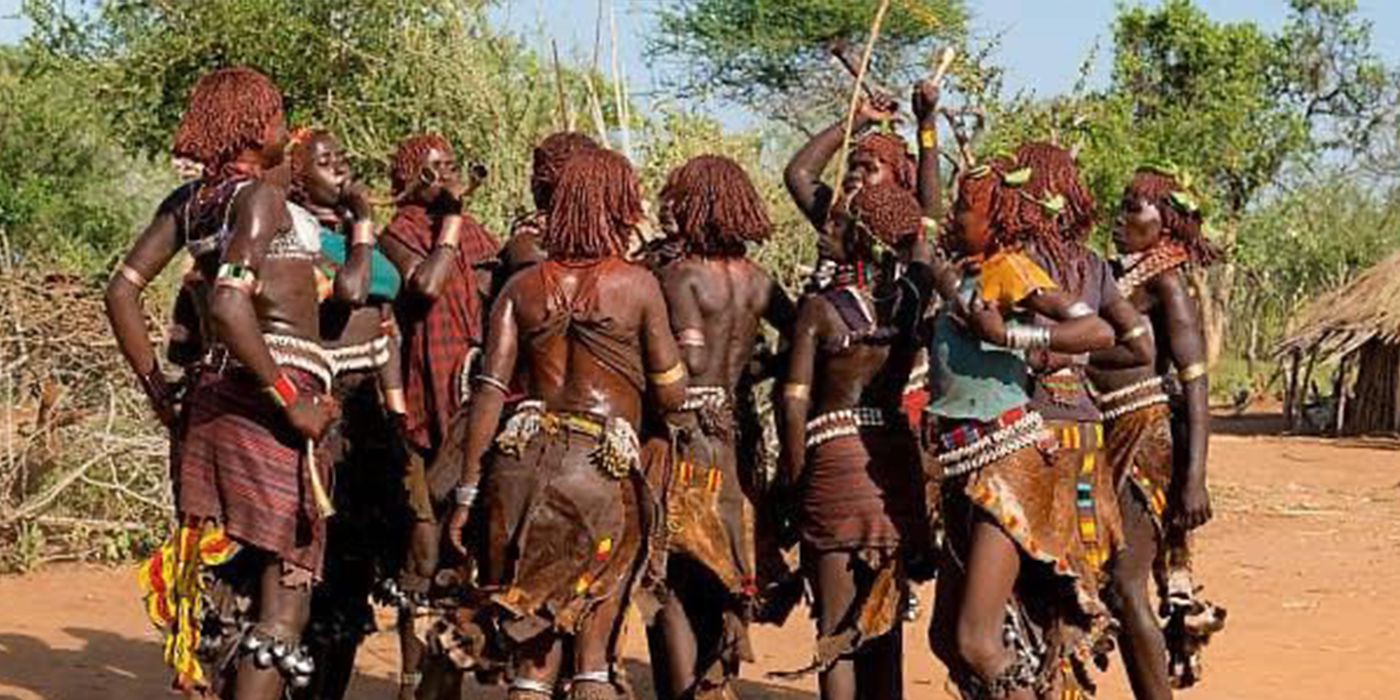
Today, we continue our journey through the Omo Valley, driving to Turmi via Dimeka. Along the way, we encounter the Hamer tribe, one of the largest and most culturally vibrant groups in the region. The Hamer are skilled agriculturalists, cultivating millet, vegetables, tobacco, and cotton, while also raising cattle and goats. They are renowned for their exquisite pottery and distinctive hairstyles. Among the most striking are the clay hair buns adorned with ostrich feathers, worn by men to signify their success in hunting or killing a formidable animal.
Hamer women are equally remarkable, wearing layered beaded necklaces, iron arm coils, and elaborate body decorations using cowry shells. These adornments not only highlight their beauty but also signify the wealth and social standing of their husbands, reflecting the intricate social and cultural fabric of the Hamer community.
Day 7: TURMI – MURULLE – TURMI
Today, we embark on a full day excursion from Turmi to the Murulle area, an opportunity to explore the culture and traditions of the local tribes. Along the way, experience the striking landscapes of the Omo Valley, passing through scenic villages and meeting the vibrant communities who call this region home. Engage with the Murulle people to learn about their daily life, traditional customs, and unique cultural practices. In the late afternoon, return to Turmi for overnight accommodation, reflecting on the day’s immersive cultural experiences.
Day 8: EXCURSION TO OMORATE
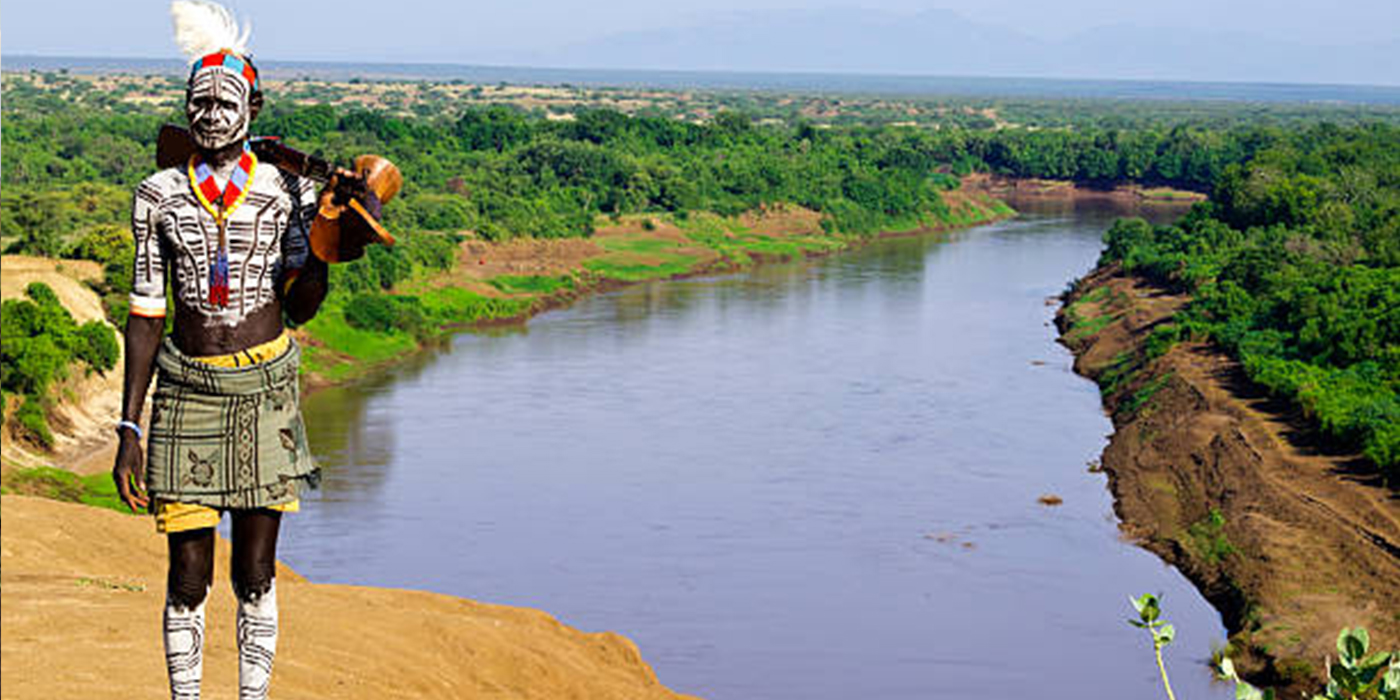
This morning, we drive south to Omorate to visit the Dasenech (formerly known as Geleb) tribe and one of their traditional villages. The Dasenech inhabit areas along the Omo River, bordering Kenya and north of Lake Turkana, living on both the east and west banks. They are agro-pastoralists, combining cattle herding with flood-retreat cultivation along the river.
Historically nomadic, the Dasenech were displaced from the Turkana region in the 18th century and gradually settled along the fertile Omo River, adopting a lifestyle centered on fishing and agriculture. Their dwellings are small, easily dismantled huts that reflect their nomadic heritage. Dasenech women traditionally wear pleated cowskin skirts adorned with necklaces and bracelets, while men typically wear a simple checkered cloth around the waist. After exploring the village, we return to our base in Turmi.
Day 9: DRIVE FROM TURMI TO YABELLO
Today, we drive to Yabello, with a visit to the Erbore people along the way. After a lunch stop in Konso, we continue to the Borena region to explore the villages of the Oromo Borena community. This journey offers a unique insight into the daily life of the Borena people, who are renowned for their expertise in cattle rearing.
During the visit, we will explore traditional Borena villages and witness the fascinating “singing well,” a communal water source where the community calls their cattle to drink through rhythmic songs a remarkable cultural practice that highlights the deep connection between the Borena people and their livestock.
Day 10: EXCURSION TO EL SOD CRATER LAKE
This morning, we visit the crater lake of El Sod, locally known as the “House of Salt.” The lake is renowned for its rich deposits of black salt, which have been harvested from its depths for centuries. From the rim, we enjoy spectacular views of the crater and take a short walk along its edge. Along the way, you may see donkeys making their way up and down the crater slopes, laden with the precious mineral.
Afterward, we return to Yabello, a town celebrated for its unique wildlife. Yabello is home to two of Ethiopia’s endemic bird species: the white-tailed swallow and Stresemann’s bush crow, both found exclusively in the surrounding acacia scrublands, offering a remarkable opportunity for birdwatchers and nature enthusiasts.
Day 11: DRIVE TO YIRGALEM
Today, we drive to Yirgalem, passing through the scenic Sidamo mountains and lush coffee plantations. En route, we stop at Wenago to visit the Tutu Fella stelae field, an intriguing collection of carved stones whose origins and purpose remain largely unknown, though they are believed to date back to the 9th century.
This day is primarily a driving day as we make our way to our traditional Sidamo-style lodge. In the late afternoon, enjoy a short walk through the surrounding natural ecosystem and take in the beauty of the nearby Sidama coffee farms, offering a serene introduction to the region’s rich agricultural heritage.
Day 12: DRIVE TO LAKE LANGANO
Today, we drive to Lake Awassa, one of the scenic Rift Valley lakes. The lake is teeming with plankton and fish, supporting a lively lakeside fish market run by the local community. Continuing our journey, we travel to Lake Langano, enjoying the stunning Rift Valley landscapes and panoramic views of Lakes Abijata and Shala along the way. There is also the opportunity to visit an ostrich farm within Abijata-Shala National Park. In the afternoon, we arrive at our lakeside resort at Lake Langano, where we will spend the night surrounded by tranquil waters and natural beauty.
Day 13: DRIVE TO AWASH NATIONAL PARK
Today, we drive to Awash National Park, arriving in the afternoon. Nestled in the dry acacia savanna of the Rift Valley, the park is dominated by the jagged silhouette of Mount Fantalle, a dormant volcano whose crater rises dramatically above the surrounding landscape. In the afternoon, we explore the park’s stunning waterfall, which cascades into a 150-meter gorge, offering a breathtaking sight. There will also be opportunities to observe the park’s diverse wildlife, including prominent species such as the Beisa oryx, Soemmering’s gazelle, and Salt’s dik-dik, providing a memorable introduction to the natural beauty of Awash National Park.
Day 14: DRIVE TO HARAR
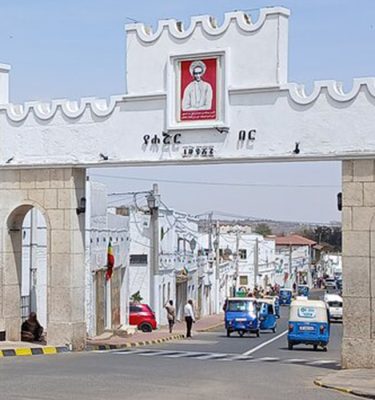
Today, we drive to Harar, with a stop in the town of Aweday, renowned for hosting Ethiopia’s largest khat market and surrounding agricultural areas. Upon arrival, explore Harar, a historic walled city featuring five gates and 25 towers. The city’s narrow streets, lined with small shops, and its 16th-century mosque with a slender minaret, evoke the enchanting atmosphere of a city straight out of the Arabian Nights. In the evening, visit one of the gates of the Harar wall to witness the famous Hyena Man, who feeds wild hyenas in a unique and long-standing local tradition.
Day 15: EXPLORING HARAR ON FOOT AND DRIVE BACK TO DERI DAWA
Harar is considered the cradle of Islam in Ethiopia and, by the Middle Ages, had become recognized as the fourth holiest city in the Islamic world. The city is famed for its ancient walls, historic gates, and narrow streets lined with traditional Harari Gegar houses, as well as its vibrant Muslim and Christian markets, renowned for intricate basketry. After lunch, visit the Harari Museum and the Rimbaud House, a beautifully preserved traditional residence dating from the period when the French poet Arthur Rimbaud lived in Harar. We will also explore a traditional Harari home within the historic walled city, gaining insight into the local architecture and culture. In the afternoon, transfer to Dire Dawa for overnight accommodation.
Day 16: DRIVE BACK TO ADDIS ABABA AND DEPARTURE
Today, we drive back to Addis Ababa, with an optional stop to admire the crater lake of Debre Zaite along the way. We are expected to arrive in Addis Ababa in the early afternoon, where you will have access to a hotel room for day use to freshen up, change, and prepare for your evening flight. There will also be an opportunity for last-minute souvenir shopping at the local markets. In the evening, enjoy a memorable farewell dinner at one of the city’s finest cultural restaurants, complete with a live traditional dance performance. Following dinner, transfer to the airport for your onward flight, marking the conclusion of your unforgettable Ethiopian journey.




Reviews
There are no reviews yet.