Day 1: Arrival in Addis Ababa & City Tour
Upon arrival in Addis Ababa, you will be met at the airport and transferred to your hotel. Founded in 1886 by Emperor Menelik II, Addis Ababa lies at an elevation of 2,438 meters, making it the third-highest capital city in the world and offering a pleasant climate year-round.
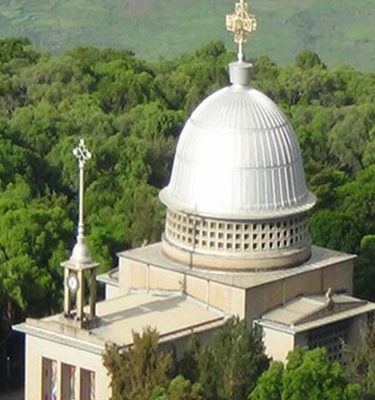
Begin your city tour with a visit to the National Museum, home to Ethiopia’s most important archaeological findings, including the famous 3.2-million-year-old fossil “Lucy.” Continue to the Ethnographic Museum, followed by a visit to Holy Trinity Cathedral, the main cathedral of Ethiopia and the final resting place of Emperor Haile Selassie.
Day 2: Addis Ababa – Arba Minch
After breakfast, drive south to the scenic lakeside town of Arba Minch. En route, stop in Gurage villages to see how Kocho (false banana bread) is prepared. Continue through the fertile lands of the Wolayita people, known for their transition from nomadic life to settled farming.
Before reaching Arba Minch, enjoy breathtaking views over the volcanic Lake Abaya, recognizable by its striking pinkish color.
Day 3: Dorze & Chencha Villages – Lake Chamo Boat Trip
In the morning, drive to the Guge Mountains to visit the Dorze and Chencha villages. Once renowned warriors, the Dorze are now famous for their extraordinary weaving skills and unique beehive-shaped “elephant houses.” Their traditional homes, surrounded by gardens of spices and vegetables, are among the most distinctive in Ethiopia.
Continue to Chencha, known for producing some of the country’s finest woven cotton cloth. In the afternoon, enjoy a boat trip on Lake Chamo, where you may encounter large crocodiles, hippos, and rich aquatic birdlife.
Day 4: Arba Minch – Konso – Key Afer Market – Jinka
Drive to Konso, a UNESCO World Heritage Site famous for its remarkable stone terracing, waga grave markers, and fortified settlements. After exploring the Konso culture, continue to Key Afer to visit its vibrant Thursday market. Here, you’ll meet the Ari, Bena, Hamer, and Tsemay tribes adorned with distinctive hairstyles, beads, and traditional attire. Continue to Jinka, the gateway to the Mursi region.
Day 5: Excursion to the Mursi Tribe – Ari Village
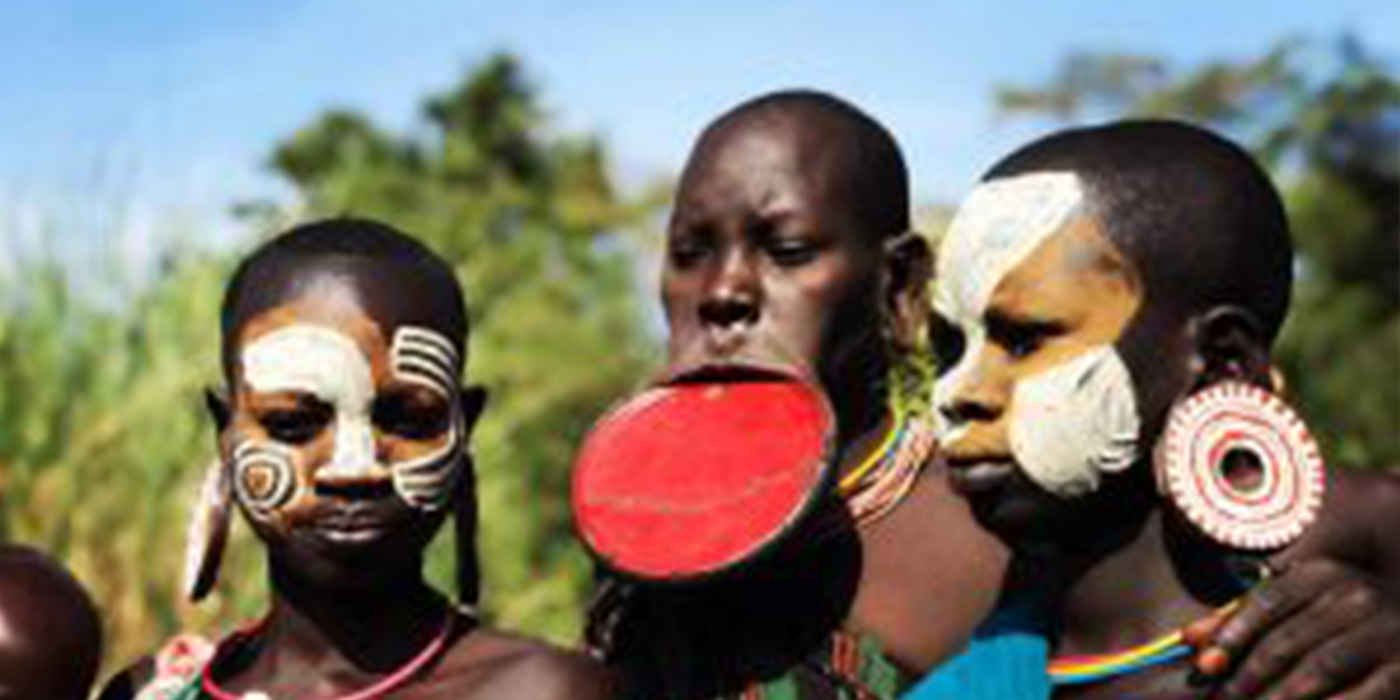
In the early morning, drive through Mago National Park to visit the Mursi people, known worldwide for the large clay lip plates worn by women and intricate scarification practices of warriors. Your guide will explain their customs, and you will have time for responsible photography.
Return to Jinka for lunch, then visit a nearby Ari village to explore their traditional way of life, including the preparation of local beverages and crafts.
Day 6: Jinka – Dimeka – Turmi (Hamer Tribe)
After breakfast, drive through the Omo Valley to Turmi, stopping in Dimeka if it is a market day. The Hamer tribe is one of the largest in the region, known for their body adornments, beaded jewelry, and the famous red-ochre hairstyles of women. Men often display clay hair buns decorated with feathers to signify bravery or achievement.
Day 7: Turmi – Karo Tribe in Murulle – Turmi
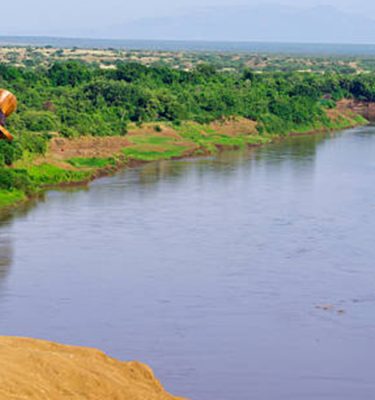
This morning, travel through the acacia-filled savannah to Murulle, home of the Karo tribe, renowned for their striking body painting and elaborate hairstyles. Visit Korcho village, beautifully perched above the Omo River, while enjoying scenic views and learning about Karo traditions. Return to Turmi in the afternoon.
Day 8: Excursion to Omorate (Dassanech Tribe)
Drive south to Omorate and cross the Omo River to visit the Dassanech people, pastoralists who inhabit the borderlands near Lake Turkana. Explore their village, learn about their agro-pastoral lifestyle, and observe their traditional attire and craftsmanship. Return to Turmi for overnight.
Day 9: Turmi – Erbore – Konso – Oromo Borena – Yabello
Depart Turmi and visit the Erbore tribe, known for their peaceful nature and distinctive body decorations. Continue to Konso for lunch, then travel to the lands of the Oromo Borena people. Visit their traditional villages and the unique “singing wells”, where water is drawn for cattle through a fascinating cooperative ritual accompanied by rhythmic chanting. Arrive in Yabello for overnight.
Day 10: Excursion to El Sod Crater Lake
Drive to the dramatic El Sod Crater Lake, also known as the “House of Salt.” From the rim, observe workers extracting black salt from the lake’s depths—a tradition passed down for generations. Walk along the crater’s edge before returning to Yabello. The region is also home to endemic bird species, including the White-tailed Swallow and Stresemann’s Bush-Crow.
Day 11: Yabello – Yirgalem (Sidama Region)
Travel through the lush highlands of Sidama, passing coffee plantations and rolling mountains. Stop at Wenago to explore the mysterious Tutu Fella stelae, a collection of ancient carved stones dating back to the 9th century. Continue to your traditional eco-lodge in Yirgalem. In the late afternoon, enjoy a relaxing walk through the pristine forest and coffee farms.
Day 12: Yirgalem – Hawassa – Addis Ababa – Departure
Drive to Lake Hawassa for a short lakeside visit before continuing north through the Rift Valley. Enjoy views of Lake Abijata and Lake Shala, and optionally stop at the Abijata-Shala National Park ostrich farm.
Upon arrival in Addis Ababa, transfer to your hotel for day-use and last-minute shopping. In the evening, enjoy a traditional farewell dinner with cultural dance performances. Afterwards, transfer to the airport for your international departure.






Reviews
There are no reviews yet.